Event App: Complete Guide to Choosing the Best Mobile Event App in 2026

Choosing the right event app can make or break your event experience.
With 78% of event organizers reporting positive ROI from mobile event apps and 98% of attendees actively using agenda features, event apps are now a core part of successful conferences, trade shows, and corporate events.
If you are evaluating platforms this year, this guide gives you a practical framework for selecting the best option for your team, your attendees, and your sponsors. It also complements our breakdown of event app pricing in 2026 and our shortlist of the best mobile event apps.
Key Takeaways
- Modern event apps should support in-person, virtual, and hybrid formats in one unified attendee experience.
- Core features include agenda personalization, push notifications, networking, engagement tools, offline access, and analytics.
- Sponsor and exhibitor tools are critical for revenue growth through better visibility, lead capture, and measurable ROI.
- Typical pricing ranges from $500 to $2,000 for basic needs and $5,000 to $50,000+ for advanced enterprise use cases.
- The best buying process starts with must-have features, budget, integrations, mobile performance, security, and proof from real customers.
What Is an Event App?
An event app is a mobile and/or web-based platform that streamlines event planning, management, and attendee experience. It helps organizers handle registration, agendas, updates, networking, engagement, and reporting in one place.
Modern event apps have evolved from basic digital schedules into full engagement platforms. If you are comparing options, start with platforms that combine usability with deep functionality like agenda management, attendee communication, and post-event analytics. For a practical feature baseline, see our guide to must-have event management app features.
- Information management: Agendas, speaker bios, venue maps, and session details.
- Attendee engagement: Live polls, Q&A, surveys, gamification, and social feeds.
- Networking: Attendee directories, private messaging, and 1:1 meeting booking.
- Real-time communication: Push notifications and in-app announcements.
- Analytics and insights: Engagement metrics, session popularity, and ROI data.
- Operational workflows: Check-in, digital badges, and sponsor lead capture.
Why Event Apps Matter in 2026
A 2025 industry study found that 67% of event organizers consider mobile apps essential, and hybrid events are the fastest-growing format. Teams that run events without a strong app now struggle with fragmented communication, lower engagement, and weaker reporting.
- 78% of organizers report positive ROI from event app usage.
- 98% of attendees actively use agenda features.
- 67% increase in networking connections when structured networking tools are enabled.
- 45% improvement in session attendance rates with in-app reminders and updates.
For hybrid strategies specifically, app-led experiences help keep in-person and remote audiences aligned. You can use this alongside our hybrid events guide and conference management framework for full planning coverage.
Key Features to Look for in a Best-in-Class Event App
Customizable Agenda & Schedules
Prioritize personalized schedules, timezone handling, bookmarking, private sessions, and real-time updates.
Real-Time Updates & Push Notifications
Look for targeted notifications by audience segment, in-app announcements, email integration, and user-level notification preferences.
Networking & Matchmaking Tools
Strong platforms support attendee directories, QR-based business card exchange, 1:1 scheduling, private chat, and AI-assisted matching.
Virtual & Hybrid Event Support
Live streaming, virtual booths, and hybrid session controls are now baseline requirements for multi-format event teams.
Live Engagement Features
Polling, moderated Q&A with upvoting, social wall integrations, live reactions, and leaderboards all increase session interaction.
Offline Access & Mobile Usability
Core screens should remain usable without internet, with fast load times and native iOS/Android support plus a responsive web fallback.
Analytics & Reporting
Track feature adoption, attendance, networking outcomes, and sponsor engagement in real time with export-ready reporting.
Branding & Security
Enterprise buyers should expect white-label controls, role-based access, SSO, encryption, and compliance support. You can compare these capabilities against solutions in our event software comparison.
Sponsor and Exhibitor Management
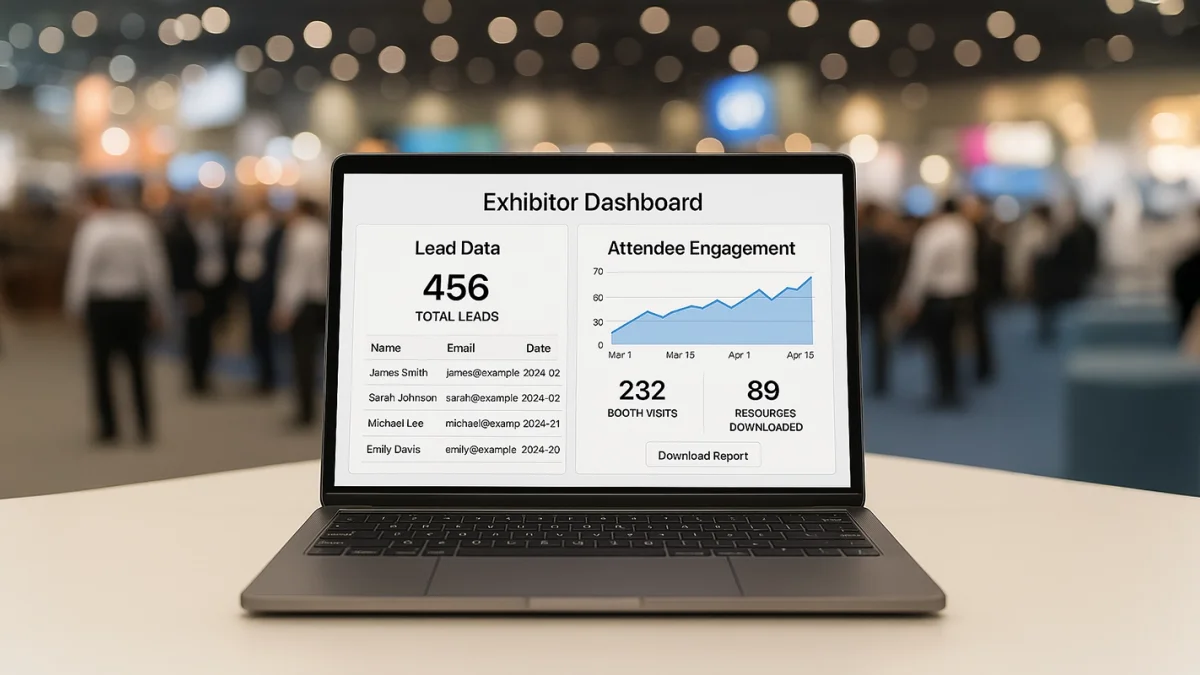
For sponsorship-driven events, sponsor tooling is not optional. Your app should create measurable value for exhibitors while reducing manual coordination for your team.
Enhanced Visibility
- Digital exhibitor directories and featured sponsor placement.
- Sponsored content slots and branded placements across key app screens.
- Virtual booths for hybrid participation.
Lead Capture
- QR scanning, digital business card exchange, booth check-ins, and qualification forms.
- Interest-based matching and real-time lead notifications.
ROI Tracking
- Lead quality scoring, visibility data, traffic reports, and conversion tracking.
- Comparative exhibitor performance to justify renewals and upsells.
To go deeper on sponsor-focused conversion workflows, see event lead generation best practices.
Community Building and Year-Round Engagement
The strongest event apps continue delivering value after the event closes. A persistent community model helps improve retention, repeat attendance, and sponsor value across multiple events.
- Persistent attendee directories and member profiles.
- Discussion forums and moderated group messaging.
- Content libraries with recordings and supporting resources.
- Multi-event communities with shared history and updates.
- Ongoing push notifications for member-exclusive content and next-event promotion.
User Experience and Ease of Setup
Leading platforms can be configured in days rather than weeks. Look for guided onboarding, reusable templates, and an admin interface that can be managed by non-technical teams.
For attendee UX, prioritize intuitive navigation, clear hierarchy, quick access to schedules, and frictionless networking interactions across device types.
Support quality also matters: documentation, onboarding calls, video tutorials, and responsive help channels can significantly reduce launch risk.
Accessibility and Security
Accessibility
Event apps should support diverse audiences through multi-language content, screen reader compatibility, keyboard navigation, adjustable text sizing, and high-contrast options aligned with WCAG 2.1 AA guidance.
Security
Enterprise-grade controls are essential for corporate and regulated events. Prioritize:
- SOC 2 Type II controls and GDPR-aligned data handling.
- ISO 27001-aligned practices and secure data storage.
- End-to-end encryption for sensitive workflows.
- SSO, RBAC, MFA, and audit logs for compliance tracking.
How to Evaluate & Pick the Right Event App
- Define event type and scale: in-person, hybrid, virtual, attendee volume, geography, and frequency.
- Split must-have vs. nice-to-have features: prioritize core operational needs first.
- Set your budget range: include setup, support, per-attendee costs, and total ownership. Use our pricing page and event app pricing guide as reference points.
- Assess ease of use and support quality: for both your team and attendees.
- Test mobile strength: native app quality, offline behavior, and performance on real devices.
- Validate integrations: CRM, registration, email marketing, SSO, and API access.
- Review proof: customer references, case studies, and independent reviews.
- Run demos and trials: validate with a realistic pilot event before committing.
A Simple Vendor Scorecard
If you are comparing several platforms, score each one against the same criteria before the final demo round. This keeps the decision grounded in operational fit rather than presentation polish alone.
| Criteria | Suggested Weight | What to Verify |
|---|---|---|
| Attendee experience | 25% | Agenda usability, onboarding friction, networking flow, and mobile performance on real devices. |
| Operations and admin control | 20% | Bulk updates, permissions, content ownership, support for last-minute schedule changes, and reporting clarity. |
| Sponsor and exhibitor value | 20% | Lead capture, branded placements, engagement tracking, and upgrade paths for sponsorship inventory. |
| Security and integrations | 20% | SSO, RBAC, compliance posture, CRM or registration integrations, and export flexibility. |
| Implementation and support | 15% | Launch timeline, onboarding quality, training, content migration effort, and live event support options. |
Use this scorecard alongside our event app pricing comparison so budget is weighed against attendee experience, sponsor delivery, and rollout risk.
Top Event App Solutions Comparison
Different platforms fit different event models. The table below provides a practical snapshot for shortlisting.
| Platform | Event Types | Key Features | Pricing Tier | Notable Strengths | Best For |
|---|---|---|---|---|---|
 | In-person, Hybrid, Virtual | Agenda, networking, sponsor tools, analytics, white-label | Mid-market to Enterprise | Offline-first apps, white-label control, enterprise security | Corporate events, conferences, trade shows |
 | In-person, Hybrid, Virtual | Agenda, networking, sponsor tools, analytics | Mid-market to Enterprise | Strong engagement and networking feature set | Conferences and trade shows |
 | In-person, Hybrid, Virtual | Agenda, networking, analytics, customization | Mid-market to Enterprise | Hybrid workflows with flexible customization | Mid-sized organizations |
 | Virtual, Hybrid | Virtual booths, streaming, exhibitor tooling | Enterprise | Immersive virtual environments | Virtual trade fairs and job expos |
 | In-person, Virtual | Registration, basic agenda, lightweight app | Basic to Mid-market | Fast setup and marketplace exposure | Small and local events |
 | In-person, Hybrid, Virtual | Registration, venue sourcing, analytics, integrations | Enterprise | Deep enterprise workflow coverage | Large multi-event portfolios |
 | In-person, Hybrid, Virtual | Registration, event websites, networking, analytics | Enterprise | Event marketing and attendee engagement | Brand-led conferences and corporate events |
Pricing Models Overview
| Pricing Model | Description | Typical Range | Best For |
|---|---|---|---|
| Flat Fee per Event | One-time event pricing | $500-$10,000+ | Occasional events |
| Per Attendee | Cost scales with attendance | $2-$15 per attendee | Predictable attendee volume |
| Annual Subscription | Yearly fee for recurring events | $5,000-$50,000+ | Teams running multiple events |
| Freemium | Basic tier with paid upgrades | $0-$2,000+ | Small events and pilots |
| Enterprise Quote | Custom scope-based pricing | $10,000-$100,000+ | Complex enterprise requirements |
Offline Functionality Comparison
| Feature | Typical Offline Support | Internet Required |
|---|---|---|
| Agenda viewing | Most platforms | No |
| Speaker information | Most platforms | No |
| Venue maps | Most platforms | No |
| Attendee directory | Some platforms | Sometimes |
| Digital badges | Most platforms | Sometimes |
| Live polling | Not offline | Yes |
| Real-time chat | Not offline | Yes |
| Push notifications | Not offline | Yes |
| Session check-in | Some platforms | Sometimes |
| Content downloads | Most platforms | Initial download required |
Note: Offline behavior varies by provider. Confirm feature-by-feature support during your trial phase.
Implementation Readiness Checklist
- Content owners are named: agenda, speaker bios, sponsor assets, maps, and FAQs all have a clear final reviewer.
- The pilot experience is mapped: test onboarding, notifications, networking, and support workflows before launch instead of discovering gaps live.
- Sponsor requirements are locked early: lead capture goals, branded placements, and exhibitor assets should align with your wider sponsorship offer.
- Support and escalation are planned: attendees and staff need a clear place to go when login, content, or device issues appear.
- Success metrics are defined before the event starts: decide which adoption, engagement, sponsor, and reporting outcomes will determine whether the app delivered value.
A strong launch usually depends more on disciplined setup than on adding one more feature to the scope.
Real-World Success Stories
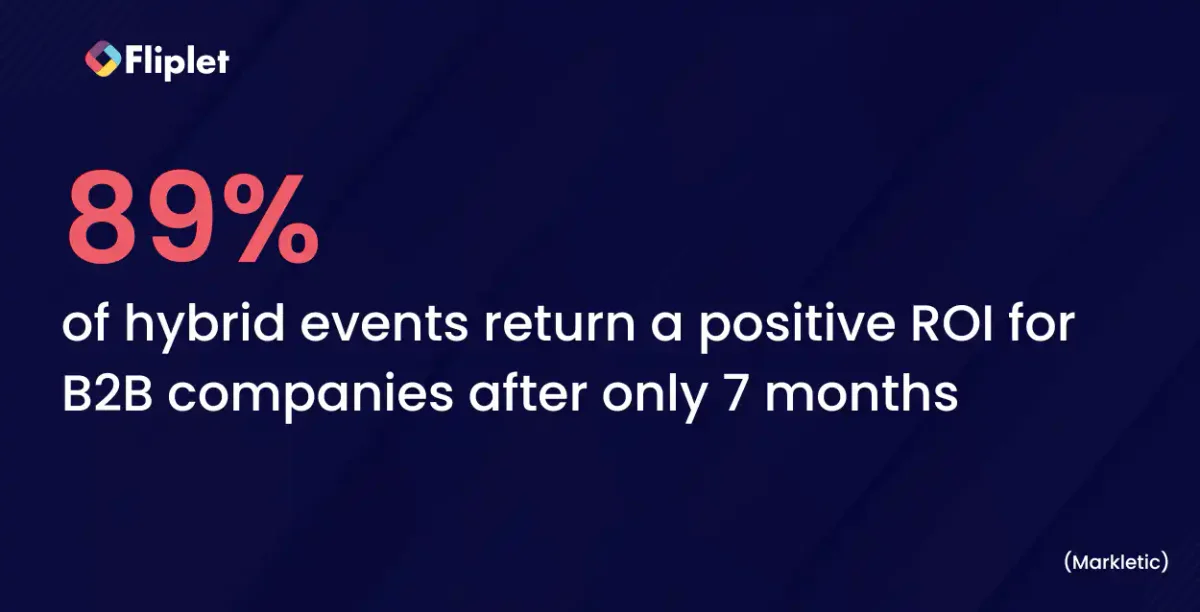
Corporate Conference
A Fortune 500 team increased attendee engagement by 45% and captured 300% more sponsor leads by deploying advanced networking and sponsor workflows through their event app.
Trade Show
A major industry trade show reported 85% active app usage, with exhibitors reporting higher quality leads than manual business card collection methods.
Hybrid Event
An international conference achieved comparable engagement levels between in-person and virtual audiences using integrated streaming, session interaction, and networking rooms.
Common Mistakes to Avoid
- Overloading your app with non-essential features.
- Ignoring mobile usability and offline testing before launch.
- Underestimating networking requirements and attendee matching needs.
- Neglecting sponsor and exhibitor tooling when sponsorship is a core revenue stream.
- Under-planning setup time, training, and launch preparation.
- Skipping accessibility validation for diverse audiences.
- Choosing only on price instead of total value and outcomes.
- Committing before running realistic demos and pilot events.
Ready to Transform Your Events?
Choosing the right event app is one of the most important decisions for event success. The right platform helps you improve attendee engagement, strengthen sponsor ROI, and capture the data you need to improve every future event.
Take the next step:
- Book a personalized demo to see Fliplet Events in action.
- Use this event app pricing and evaluation guide while comparing providers.
- Explore Fliplet's mobile event app platform to review features for in-person, hybrid, and virtual events.
Summary
Event apps now sit at the center of modern event execution. The best options combine agenda management, engagement features, networking tools, sponsor workflows, hybrid support, and analytics in a single experience for organizers and attendees.
As you evaluate vendors, focus on fit for your event model, operational simplicity, security readiness, and measurable outcomes. If you are looking for strong branding controls, enterprise security, flexible deployment, and robust sponsor tooling, Fliplet Events provides a comprehensive option with scalable pricing and implementation support.
Lisa Broom is the Content Writer and Head of Marketing at Fliplet - an app building platform that enables anyone to easily create engaging and interactive mobile and web apps.
Frequently Asked Questions
What is an event app?
An event app is a mobile and/or web-based platform that helps organizers manage registration, agendas, attendee engagement, networking, and event communications in one place.
What features should I look for in an event app?
Start with agenda management, push notifications, networking tools, live engagement features like polls and Q&A, offline access, analytics, sponsor management, and support for hybrid events.
How do event apps help sponsors and exhibitors?
They improve sponsor visibility, enable lead capture through QR codes and digital business cards, and provide analytics that show booth traffic, engagement, and conversion performance.
How much does an event app cost?
Typical pricing ranges from around $500 to $2,000 for basic event setups to $5,000 to $50,000+ for enterprise platforms, depending on features, attendee count, and customization.
Do event apps work offline?
Many event apps support offline access for key items like agendas, speaker details, maps, and downloaded resources. Real-time chat, live polling, and push alerts still require internet.
Can event apps be branded with our logo and colors?
Yes. Most leading platforms include white-label branding options for logos, colors, app icon/splash screen customization, and custom domain experiences.
How long does it take to set up an event app?
Simple events can often be launched in 1 to 3 days. More complex events with advanced integrations and custom workflows usually take 1 to 2 weeks.
Can event apps integrate with our CRM system?
Most enterprise-ready event apps integrate with tools like Salesforce, HubSpot, and Microsoft Dynamics, plus registration systems, email tools, and SSO providers.
Do event apps support accessibility and multiple languages?
Many platforms support multilingual content, screen reader compatibility, keyboard navigation, and other WCAG 2.1 AA-aligned features, but capabilities differ by vendor.
What security standards should I look for?
For enterprise events, prioritize SOC 2 Type II, GDPR alignment, ISO 27001 practices, encryption, role-based access control, SSO, MFA, and audit logs.
Can event apps support both in-person and virtual attendees?
Yes. Modern event apps are built for hybrid formats and can support live streaming, virtual sessions, and networking for remote and on-site attendees in one experience.
How do I choose the right event app for my organization?
Define event goals, must-have features, budget, integration needs, and sponsor requirements. Then compare shortlisted vendors through demos, test events, and customer references.
Should I run a pilot before launching an event app?
Yes. A pilot or test event helps you validate content workflows, attendee onboarding, notifications, sponsor activations, and support processes before the live launch. It is one of the fastest ways to reduce rollout risk.
Is a native app always better than a web-based event app?
Not always. Native apps are often stronger for offline performance, push notifications, and deeper device features, while web-based experiences can reduce download friction and work well for simpler or shorter events. The right choice depends on your audience, format, and engagement model.
What are the benefits of using an event app?
Event apps improve engagement, simplify event operations, support better networking, reduce manual work, provide post-event analytics, and help sponsors measure value more clearly.