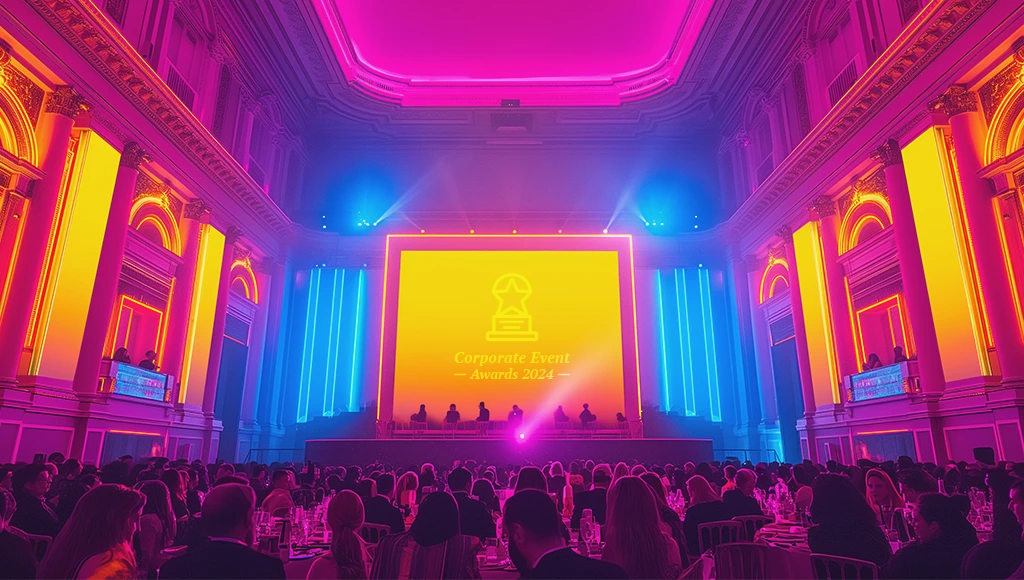
17 Essential Steps for Successful PR Event Planning: A Comprehensive Guide


Want to put together a successful PR event? Of course you do. With the right features in place, these can be a major building block to establishing and building your brand. To keep everything straight and running smoothly, you need a step-by-step process. Don't worry. We can help. Our guide walks you through the key steps to ensure your event is a triumph, blending creativity, strategy, and technology to make your vision come alive.
Key Takeaways
- Understand the importance of clear objectives in PR event planning.
- Identify your target audience for tailored engagement.
- Utilize technology and tools to streamline planning and execution.
- Foster partnerships with sponsors for enhanced reach.
- Leverage feedback for continuous improvement.
What Is PR Event Planning?
PR event planning is the process of organizing and executing events that promote a brand, product, or service to the public. These events aim to create buzz, generate media coverage, and build relationships with key stakeholders. From press conferences to networking events, effective event planning requires strategic coordination and attention to detail.
Technology plays a pivotal role in PR event planning. From event management software that streamlines registration and logistics to social media platforms that amplify reach, technology enhances every aspect of event planning.
Tools like Fliplet offer customizable solutions that facilitate planning and execution, ensuring a seamless experience for both organizers and attendees.
Plus, virtual and hybrid events have become increasingly popular, allowing brands to engage with a global audience and provide flexible participation options. These technological advancements not only increase accessibility but also offer new ways to track and analyze event data through analytics and reporting tools, leading to more informed decision-making and improved outcomes.
Key Elements to Consider When Planning a PR Event
Know the "Who, What, and Why" of Your Event
Understanding the purpose of your event and who you want to reach is fundamental. This knowledge will guide all aspects of your planning, from messaging to logistics.
Ensure You Can Achieve Measurable Results from PR and Event
Utilizing a marketing app like Fliplet can help track and analyze your efforts, providing valuable insights into what works and what doesn't. By setting clear metrics, you can evaluate the success of your event and demonstrate ROI to stakeholders. Learn more about event analytics and reporting.
Include ESG in Your Planning
Incorporating Environmental, Social, and Governance (ESG) considerations into your event planning can enhance your brand's reputation and appeal to socially-conscious audiences. Think about sustainability, inclusivity, and ethical practices in your event design.
Technology Is Your Friend
Leverage event management software and apps to streamline planning and execution. From registration to feedback collection, technology can simplify processes and enhance the attendee experience. Fliplet offers solutions that can be tailored to your specific needs, ensuring a seamless event.
Types of PR Events
If you are looking for PR event examples, there are a ton to pick from. Below, we've highlighted some of the most important to understand.
Press Conferences
Press conferences are crucial for delivering key announcements and updates to the media and public. They provide a platform for brands to communicate directly with journalists, offering opportunities for questions and in-depth discussions. These events are ideal for launching new initiatives, sharing important news, or responding to public concerns, ensuring that the message is clearly conveyed and accurately reported.
Product Launches
Product launches are designed to introduce new products or services to the market, creating excitement and anticipation among potential customers and media. These events often include demonstrations, presentations, and opportunities for attendees to interact with the product firsthand. A successful product launch can generate buzz, drive sales, and establish a strong market presence from the outset.
Networking Events
Networking events facilitate connections among industry professionals, clients, and potential partners. These gatherings create opportunities for attendees to exchange ideas, share experiences, and build valuable relationships that can lead to future collaborations and business opportunities. Networking events can be formal or informal, and often feature speakers or panels to inspire conversation and learning.
Charity Events
Charity events align brands with social causes, showcasing their commitment to corporate social responsibility. These events can take various forms, including galas, auctions, or community service activities, and often aim to raise funds or awareness for specific causes. By hosting or participating in charity events, brands can enhance their reputation, engage with their community, and make a positive impact.
Trade Shows and Expos
Trade shows and expos provide a platform for companies to display their products and services to a large audience of industry professionals and consumers. These events offer opportunities for brands to showcase their innovations, engage with potential customers, and gather valuable feedback. Participation in trade shows can increase brand visibility and establish a company as a leader in its industry.
Media Tours
Media tours involve traveling to different locations to engage with various media outlets, allowing brands to reach a wider audience. These tours can include interviews, live demonstrations, and press meetings, helping to build relationships with journalists and secure media coverage across different regions. Media tours are an effective way to expand a brand's reach and influence.
Award Ceremonies
Award ceremonies celebrate achievements within a specific industry or community, providing recognition and prestige to recipients. These events often include presentations, speeches, and entertainment, creating a memorable experience for attendees. Hosting an award ceremony can elevate a brand's status, foster goodwill, and highlight its commitment to excellence.
Community Outreach Programs
Community outreach programs are designed to engage and support local communities, fostering goodwill and positive relationships. These events can include educational workshops, health fairs, or volunteer activities, allowing brands to connect with community members and demonstrate their commitment to social responsibility. Effective outreach programs can enhance a brand's reputation and strengthen its community ties.
VIP Events
VIP events offer exclusive experiences for key stakeholders, such as top clients, partners, or influencers. These events often feature personalized interactions, premium offerings, and unique entertainment, creating an unforgettable experience that strengthens relationships and fosters loyalty. VIP events can enhance a brand's image and create lasting impressions.
17 PR and Event Planning Steps
Step 1: Clarify and Align Your Objectives
Define clear, measurable objectives that align with your overall PR strategy. Whether you're aiming to increase brand awareness, launch a new product, or build media relationships, having specific goals will guide all subsequent planning decisions.
Step 2: Define Your Target Audience
Identify who you want to reach with your event. Understanding your audience's demographics, interests, and preferences will help you tailor the event experience, messaging, and marketing efforts to maximize engagement and impact.
Step 3: Develop a Realistic Budget
Create a comprehensive budget that accounts for all expenses, including venue, catering, technology, marketing, and contingency funds. A well-planned budget ensures you can deliver a quality event while staying within financial constraints.
Step 4: Create a Detailed Timeline
Develop a timeline that outlines all tasks and deadlines from initial planning through post-event follow-up. This helps coordinate all aspects of the event and ensures nothing falls through the cracks.
Step 5: Select the Event Format
Choose between in-person, virtual, or hybrid formats based on your objectives, audience, and budget. Each format has unique advantages and considerations that will impact your planning approach.
Step 6: Choose the Perfect Venue or Platform
Select a venue or digital platform that aligns with your event format, accommodates your expected attendance, and supports your technical requirements. Consider location, accessibility, capacity, and technical capabilities.
Step 7: Design the Attendee Experience
Plan every aspect of the attendee journey, from registration to post-event follow-up. Consider how attendees will interact with your brand, what content they'll consume, and how you'll create memorable moments.
Step 8: Consider Partnerships with Sponsors
Identify potential sponsors who align with your brand values and can help offset costs while providing additional value to attendees. Strategic partnerships can enhance your event's reach and resources.
Step 9: Organize Logistics for a Smooth Experience
Coordinate all logistical elements, including vendor contracts, equipment rentals, transportation, and on-site management. Attention to detail in logistics ensures a seamless experience for all participants.
Step 10: Develop an Event Marketing Plan
Create a comprehensive marketing strategy that leverages multiple channels to reach your target audience. This should include social media, email campaigns, PR outreach, and partnerships to maximize visibility and attendance.
Step 11: Establish an Online Presence for the Event
Create a dedicated website or landing page, set up social media accounts, and develop digital assets that support your marketing efforts. A strong online presence helps build anticipation and makes it easy for people to learn about and register for your event.
Step 12: Invite Media and VIPs to Boost Event Visibility
Reach out to relevant media outlets, journalists, and key influencers who can help amplify your event's reach. Provide them with exclusive content, access, or opportunities to encourage coverage and attendance.
Step 13: Provide Food and Drinks to Enhance Attendee Satisfaction
Plan catering that accommodates dietary restrictions and preferences while enhancing the overall experience. Food and beverages can significantly impact attendee satisfaction and create networking opportunities.
Step 14: PR Event Management: Prepare for Any Contingencies
Develop contingency plans for potential issues, including weather, technical difficulties, or unexpected changes. Having backup plans ensures you can adapt quickly and maintain a professional experience regardless of challenges.
Step 15: Leverage Post-Event Momentum
Capitalize on the momentum generated by your event through follow-up communications, content sharing, and relationship building. This helps extend the impact of your event beyond the actual day.
Step 16: Assess Your Event's Success for Future Planning
Evaluate your event against your original objectives using both quantitative metrics and qualitative feedback. This analysis provides valuable insights for improving future events and demonstrating ROI.
Step 17: Collect and Use Feedback for Continuous Improvement
Gather feedback from attendees, staff, and stakeholders through surveys, interviews, and direct observations. Use this information to identify strengths, address weaknesses, and refine your approach for future events.
Technology and Tools for PR Event Planning Success
Technology is becoming an increasing element of getting your next PR event right. More and more of the industry is relying on these incredible tools that continue to develop.
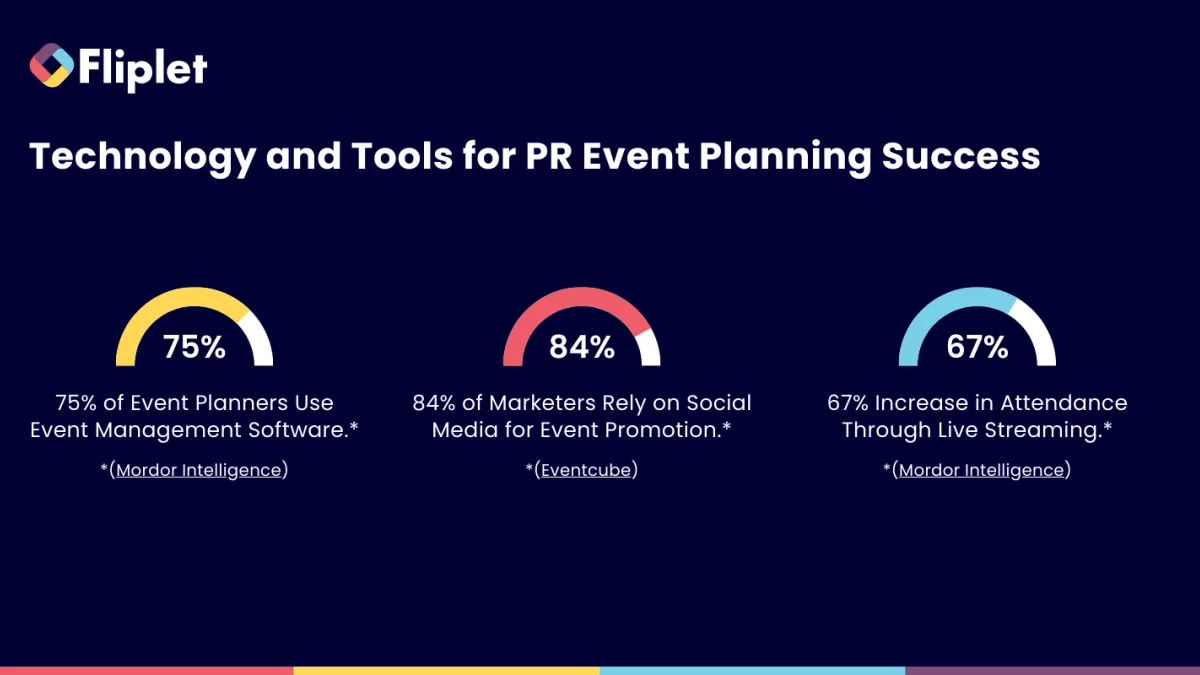
A peak at the research into the PR event world shows just how true this is:
- 75% of Event Planners Use Event Management Software: (Mordor Intelligence) (IMARC).
- 84% of Marketers Rely on Social Media for Event Promotion: (Eventcube).
- 67% Increase in Attendance Through Live Streaming: (Mordor Intelligence).
- 82% of Event Professionals View Engagement as a Crucial KPI: (Eventcube).
- Event Technology Can Reduce Costs by Up to 30%: (Agorify).
Let's take a look at the ways you can integrate technology into your next PR event.
PR Event Management Software
Leverage software like Fliplet to streamline planning and execution. These tools can help you manage registrations, track attendees, and analyze event data. Consider using an event app builder to enhance your event experience.
Social Media Integration
Integrate social media into your event strategy to engage with attendees and amplify your reach. Use platforms like Twitter and Instagram to share updates and interact with your audience in real-time.
Live Streaming Options
Offer live streaming to reach a wider audience and increase accessibility. This can be particularly effective for hybrid events, allowing those who can't attend in person to participate virtually.
Feedback and Analytics Tools
Utilize feedback and analytics tools to assess the success of your event and gather insights for future planning. These tools can provide valuable data on attendee engagement and satisfaction.
What Metrics Should Be Used to Evaluate the Success of a PR Event?
Key metrics to evaluate the success of your PR event include:
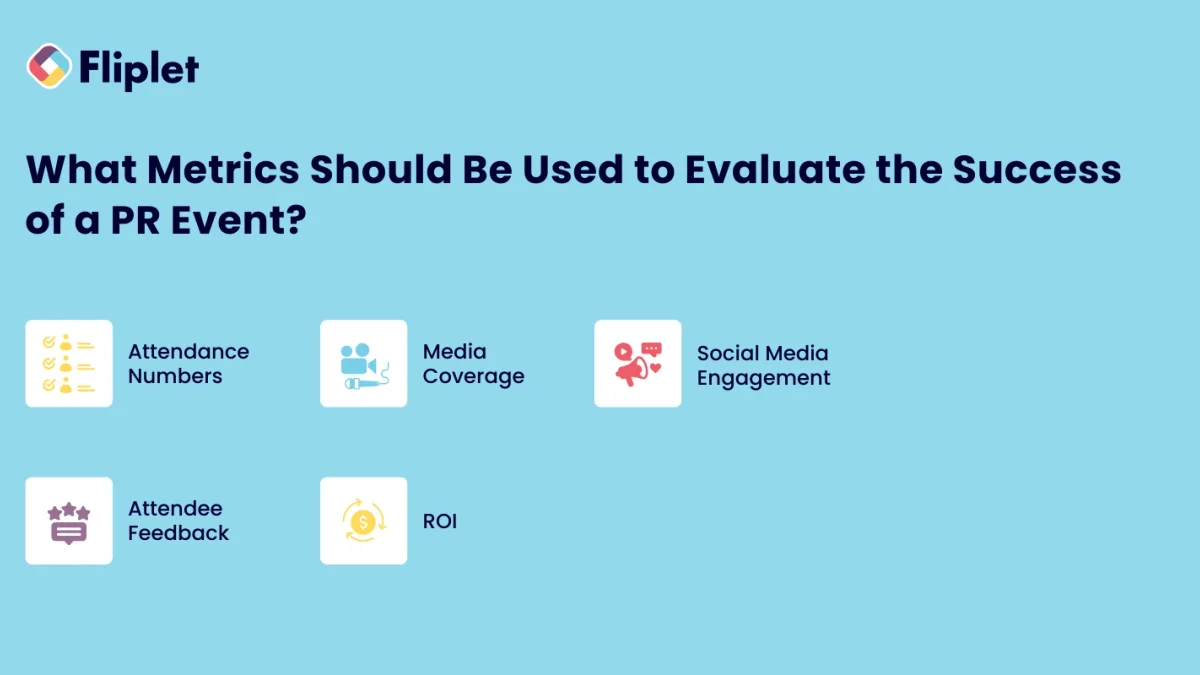
- Attendance Numbers: Compare against your target to gauge interest and reach. In a way, this helps to gauge the PR for events that you're doing.
- Media Coverage: Assess the quantity and quality of media mentions and articles. Again, this is a PR for events metric.
- Social Media Engagement: Measure likes, shares, comments, and hashtag usage.
- Attendee Feedback: Gather insights on the attendee experience and satisfaction.
- ROI: Evaluate the return on investment in terms of sales, leads, and brand exposure.
For more detailed checklists and strategies, explore our event planning blogs, which offer valuable insights on key metrics and best practices. Check out a couple to get started:
How to Involve People and Media in a PR Event?
You need to know how to do PR for an event, especially when it is a PR event. Explore our case studies for successful examples of PR event planning and management for inspiration and insights.
- Create Compelling Content: Share engaging content that captures attention and encourages sharing.
- Leverage Influencers: Partner with influencers to reach a wider audience and build credibility.
- Engage with Media: Provide media with exclusive content and access to enhance coverage.
- Offer Incentives: Encourage participation through incentives like discounts, giveaways, or exclusive access.
Now You're Ready to Create an Amazing PR Event!
With these steps and tools at your disposal, you're well-equipped to plan and execute successful PR and event planning.
Remember, the key is to stay focused on your objectives and adapt your approach to meet the needs of your audience. With the right PR plan for an event, with each step clearly laid out, your entire organization will be able to assist you in making the day a massive success.
For more information and resources, explore our platform overview to learn about our range of solutions designed to enhance your event planning experience.
Lisa Broom is the Content Writer and Head of Marketing at Fliplet - an app building platform that enables anyone to easily create engaging and interactive mobile and web apps.
Frequently Asked Questions
What are the key steps in PR event planning?
Key steps include defining objectives, identifying the target audience, developing a budget, creating a timeline, and selecting a venue or platform. These foundational steps ensure your event aligns with your broader PR strategy and helps measure success.
Why is setting clear objectives important in PR event planning?
Clear objectives guide your planning and help measure success, ensuring your event aligns with your broader PR strategy. Without clear objectives, it's difficult to evaluate the effectiveness of your event and demonstrate ROI to stakeholders.
How do I choose the right venue for my PR event?
Consider factors like location, accessibility, capacity, and technical capabilities when selecting a venue. The venue should align with your event format, accommodate your expected attendance, and support any technology requirements for presentations or live streaming.
What should be included in an event timeline?
Include all tasks and deadlines, from initial planning to post-event follow-up, to ensure a smooth process. A detailed timeline helps coordinate all aspects of the event, from venue booking and vendor contracts to marketing campaigns and day-of logistics.
How important is it to have a marketing strategy for a PR event?
A marketing strategy is crucial for attracting attendees and generating buzz, ensuring your event reaches its target audience effectively. Without a solid marketing plan, even the best-planned events may struggle to attract the right attendees and achieve their PR objectives.