How to Create a Successful Event Strategy [Guide 2026]


The power of events in building brands and generating interest is well known. But people still struggle to come up with a compelling event strategy that they can use.
Everything from small gatherings to multi-day, industry-wide conferences require a strong event strategy plan to succeed. Let's explore the essential components of strategic event planning, ensuring your event not only meets but exceeds expectations. It's all here in our ultimate event strategy guide!
Key Takeaways
- Understand what an event strategy is and why it's crucial.
- Learn the steps involved in creating a successful event strategy plan.
- Discover tips and techniques for effective event strategy techniques.
- Explore how to adapt your event strategy for different types of events.
What is an Event Strategy?
An event strategy is a comprehensive plan that outlines the objectives, target audience, budget, and timeline for an event. It serves as a roadmap, guiding every decision from initial concept to post-event evaluation. By setting clear goals and aligning every aspect of the event with these objectives, an event strategy ensures a cohesive and focused approach to event management.
Key elements include:
- Pre-event Market Research — understand market landscape, competitor events, audience preferences
- Design — visual aesthetics, layout, branding
- Planning with the End in Mind — define desired outcomes and success metrics
- Think Long and Hard About the Event Venue — location, capacity, accessibility
- Programming Should Emphasize Value to Audience and Respect Their Time
- Promote by Discovering the Most Exciting Elements
- Synthesize It All into an Operational Plan — roles, timelines, contingency plans
Why Do You Need an Event Strategy?
Implementing an event strategy is crucial for several reasons:
- Clarity and Focus — provides a clear vision and direction
- Resource Allocation — helps in effective budgeting and resource management; build in some padding as costs often exceed initial expectations
- Risk Management — identifies potential risks and outlines mitigation
- Evaluation and Improvement — facilitates post-event analysis to improve future events
In our corporate event planning article, we delve deeper into the importance of a solid plan before execution.
Event Strategy Guide: How to Successfully Plan An Event
Creating a successful event strategy begins with a well-thought-out plan. Key steps:
- Set the Event Goal or Vision — a clear, defined goal guides every decision
- Know Your Audience — conduct surveys, analyze demographic data, review past feedback
- Segment Your Market — divide audience by characteristics to tailor messaging
- Plan Your Budget — identify all expenses; consider tools like Fliplet for a budget-friendly event app
- Outline Your Timeline — break down into milestones and deadlines
- Design a Marketing Plan — tie it deeply to your event strategy; establish clear, measurable KPIs
- Manage the Event Execution — coordinate logistics, assign roles, have contingency plans
- Review and Reflect — gather feedback, analyze metrics, refine for next time
Sample Budget for a Corporate Event
Use the table below as a template when planning your event expenses:
| Expense Category | Cost | Description / Details |
|---|---|---|
| Venue Rental | $10,000 | Includes space for 200 attendees |
| Catering | $8,000 | Buffet style with vegetarian options |
| Marketing | $5,000 | Social media ads, email campaigns |
| Staffing | $4,000 | Event coordinators and support staff |
| Technology | $3,500 | AV equipment, Wi-Fi, and tech support |
| Entertainment | $2,000 | Guest speaker and live music |
| Decorations | $1,500 | Thematic decor and signage |
| Transportation | $1,000 | Shuttle service for attendees |
| Printing | $500 | Programs, name badges, and signage |
| Subtotal | $35,500 | |
| Contingency Fund | $3,550 | 10% of subtotal |
| Total Budget | $39,050 |
Top Business Event Strategy Tips for the Perfect Execution
- Integrate Innovative Technologies — e.g. apps for idea generation
- Integrate Event Strategy Techniques — workshops, live demos
- Stay Adaptable — backup plans, open to feedback
- Listen More Than You Speak — attendee feedback informs future strategies
- Track the Progress — use analytics to track engagement and attendance
Event Marketing Strategy
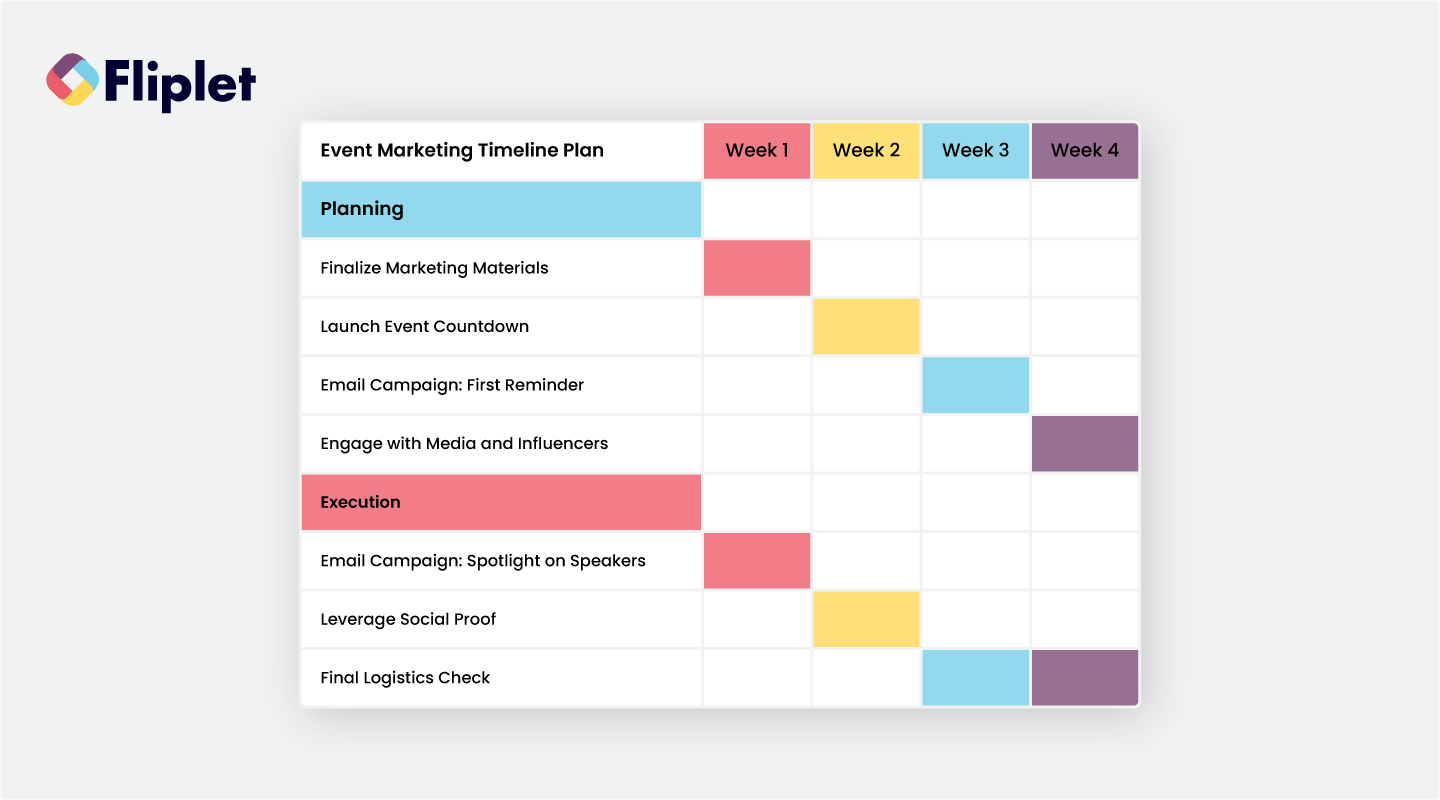
A successful event marketing strategy involves promoting your event through various channels. Consider social media, email marketing, and partnerships. Marketing is interconnected to the entire process. Want to learn more? Check out our in-depth guide.
How to Change Your Event Strategy Depending on the Event Type
Different event types call for different strategic priorities. Use the table below as a quick reference:
| Event Type | Strategy Focus |
|---|---|
| Virtual Event Strategy | Strong digital presence, interactive features (polls, Q&A) |
| Conference Event Strategy | Structured content delivery, networking opportunities |
| Partner Event Strategy | Clear communication, shared goals |
| Hybrid Event Strategy | Cohesive experience for in-person and virtual attendees |
| Corporate Event Strategy | Professionalism, brand alignment |
| B2B Event Strategy | Relationship-building, networking |
Engage Your Attendees With an Event App
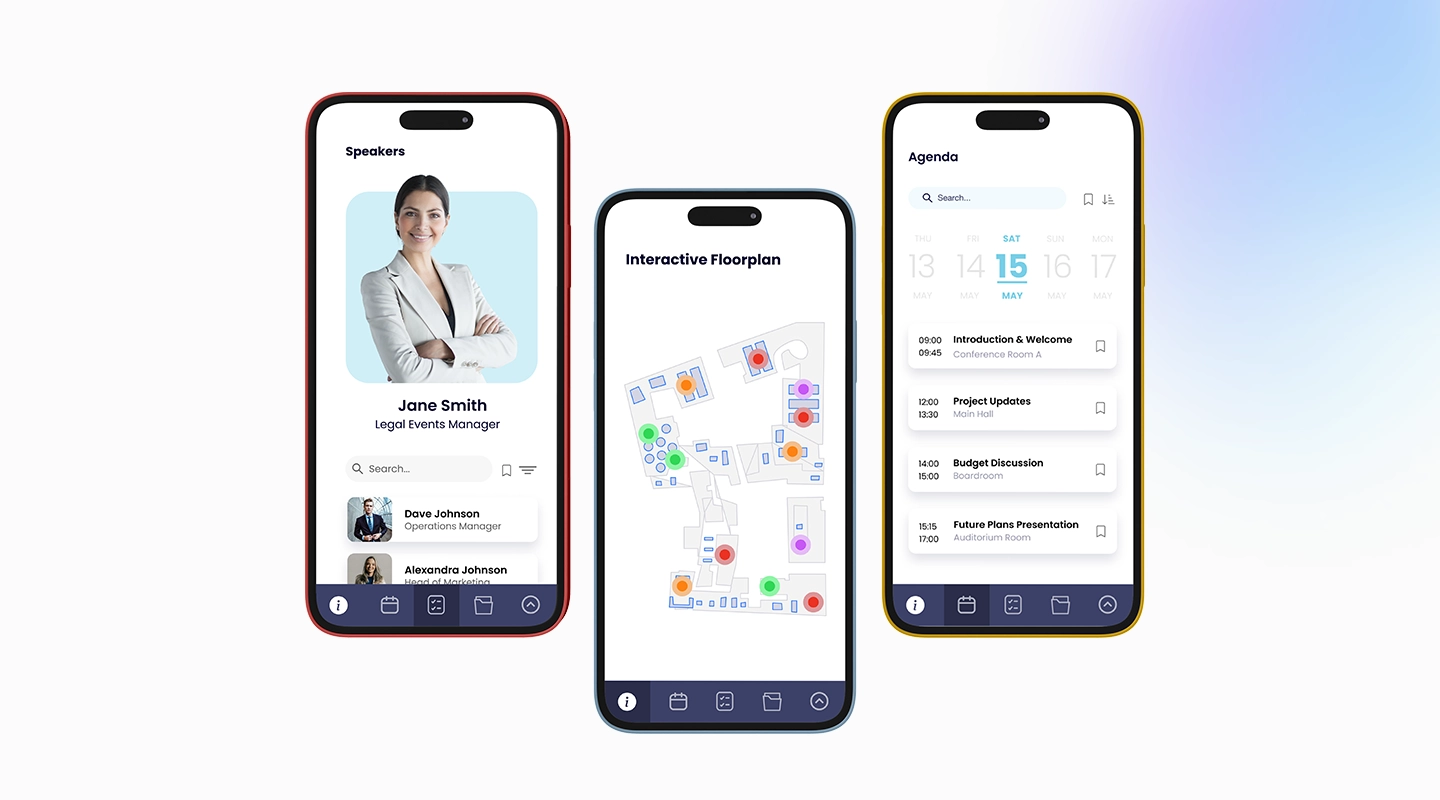
Utilizing an event app builder can enhance attendee engagement and streamline event management. Features such as real-time updates, interactive maps, and personalized schedules ensure a seamless experience. And because it's Fliplet, you can communicate with your team, gather attendee feedback, and more in the same app. The options are limitless. Book a demo to get started.
Lisa Broom is the Content Writer and Head of Marketing at Fliplet - an app building platform that enables anyone to easily create engaging and interactive mobile and web apps.
Frequently Asked Questions
In what ways can Fliplet's apps enhance my event planning and execution?
Fliplet's apps offer comprehensive tools for planning, marketing, and executing events, ensuring a streamlined and efficient process.
How to create a quality event strategy in a short amount of time for my small business?
Focus on setting clear goals, understanding your audience, and utilizing technology to expedite planning and execution.
What tips can businesses use to fasten their event strategy planning process?
Streamline processes with technology, prioritize key tasks, and maintain open communication with your team.
How should businesses develop a detailed timeline to ensure the success of their event strategy?
Outline key milestones, set realistic deadlines, and regularly review progress to stay on track.
How to create an event strategy?
Develop a comprehensive plan that includes goals, audience insights, budget, and timeline to guide every aspect of your event.