How to Create an Event Sponsorship Proposal That Wins Sponsors

An event sponsorship proposal is your key to securing financial and in-kind support. This guide walks you through crafting a persuasive, data-driven proposal that highlights mutual benefits and helps you attract the right sponsors.
Whether you're organizing a conference, festival, or corporate event, a strong sponsorship proposal can fund your vision and create lasting partnerships. Learn the essential components, how to customize your pitch, and why follow-up and post-event reporting matter. Event strategy and clear value propositions make the difference between a yes and a pass.
Key Takeaways
- A sponsorship proposal outlines mutual value for your event and the sponsor—financial or in-kind.
- Include clear goals, audience data, sponsor benefits, and tiers to make your proposal compelling.
- Customize each proposal, use visuals and data, and follow up consistently.
- Post-event reports with analytics and feedback strengthen relationships for future deals.
Understanding Event Sponsorship Proposals
An event sponsorship proposal is a formal document you send to potential sponsors to secure funding or in-kind support. It explains your event, your audience, and what the sponsor gets in return—visibility, leads, brand alignment, or other benefits. A well-crafted proposal shows that you've done your homework and that supporting your event is a smart investment for the sponsor.
Key Components of an Effective Proposal
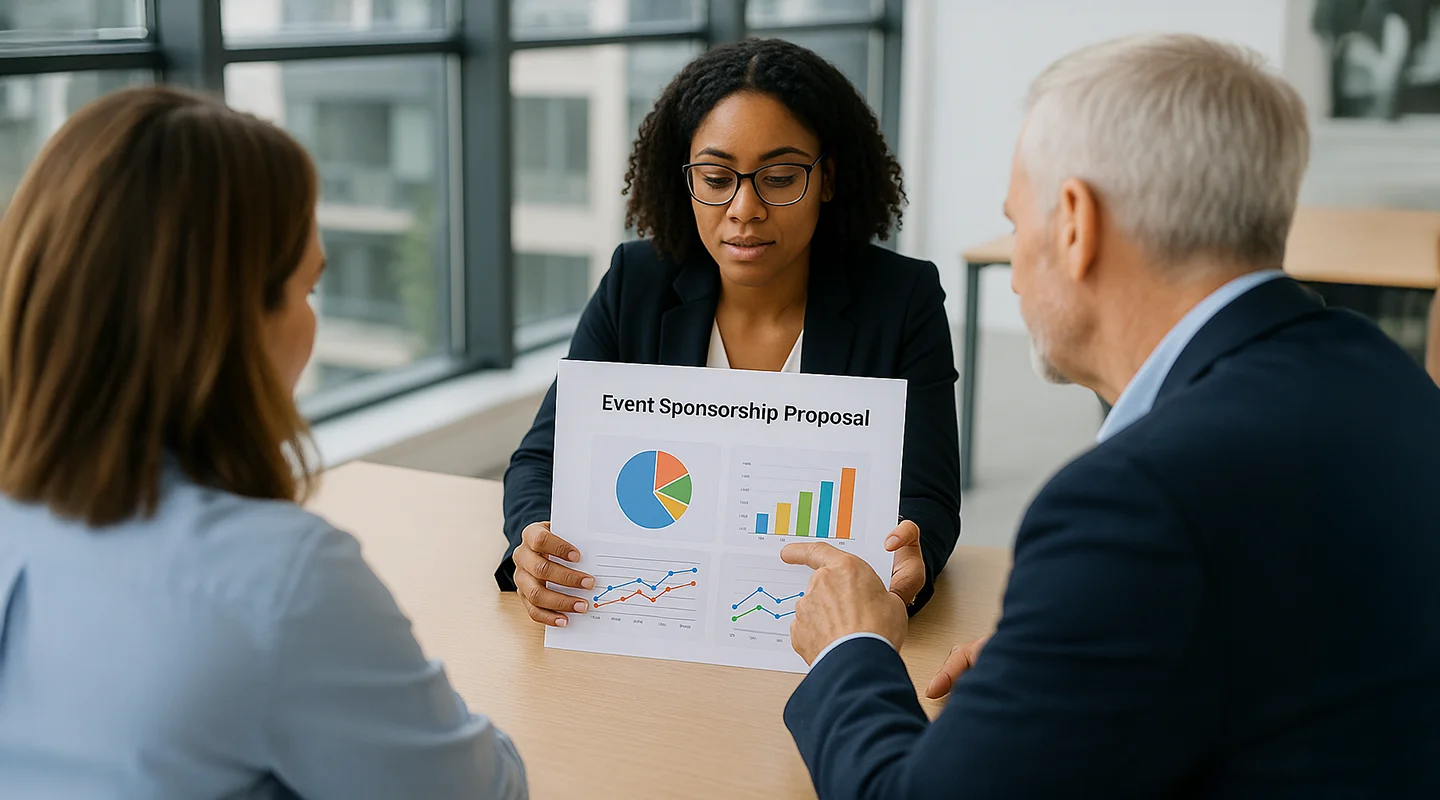
Every winning proposal should include:
- Executive summary—Brief overview of the event and why it matters
- Event overview—Date, venue, format (in-person, hybrid, virtual), and expected scale
- Audience insights—Demographics, attendance history, and engagement data so sponsors understand who they're reaching
- Sponsor benefits—Logo placement, speaking slots, booths, tickets, and other perks
- Investment tiers—Clear packages and pricing
- Contact and next steps—How to respond and what happens after they say yes
Types of Event Sponsors
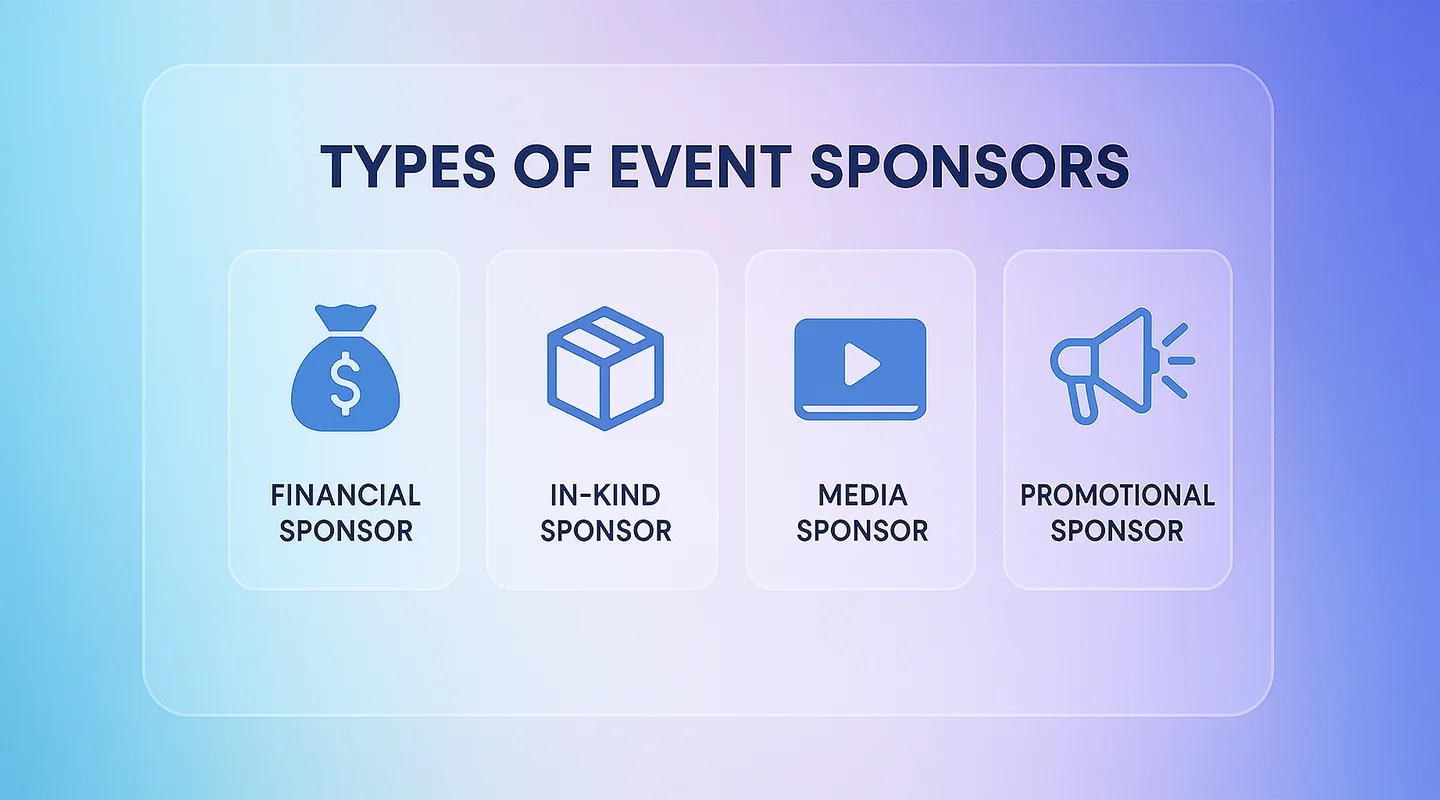
- Financial sponsors provide cash in exchange for visibility and benefits
- In-kind sponsors contribute products or services—catering, signage, swag, or technology—instead of or in addition to cash
Your proposal should spell out what you're asking for and what each type of sponsor receives. Tailoring your pitch to the sponsor's goals (brand awareness, lead generation, thought leadership) increases your chance of a yes.
How to Write a Winning Proposal
- Start with research: understand the sponsor's brand, values, and target audience
- Use data—past attendance, survey results, social reach—to show the value of your audience
- Be specific about benefits (e.g., "Logo on main stage screen and in app" rather than "Visibility")
- Keep the layout clean and scannable; use headings and bullet points
- End with a clear call to action and a deadline when appropriate
Customizing Your Sponsorship Proposal
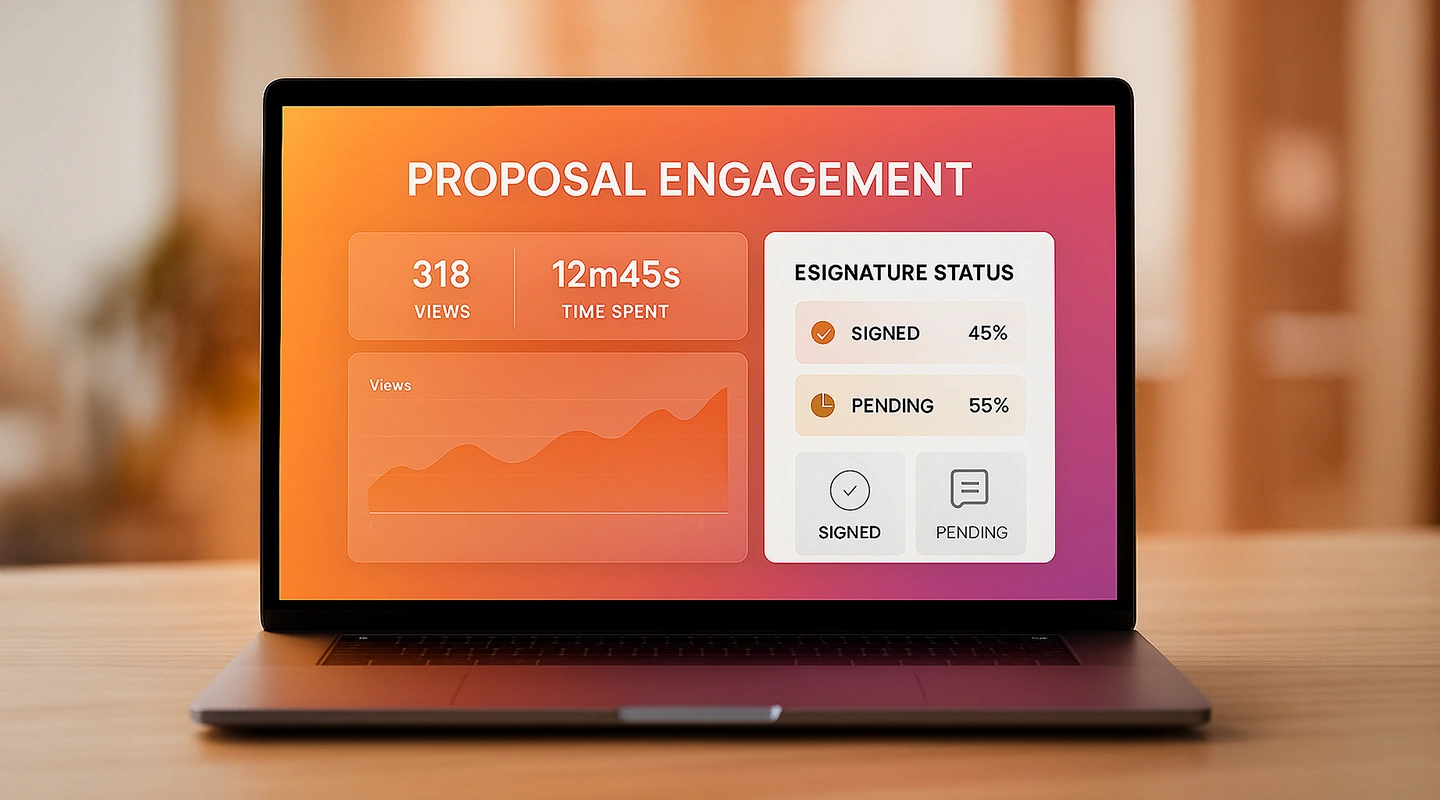
Generic proposals get ignored. Customize each one: reference the sponsor by name, align your event's goals with their marketing objectives, and offer packages that fit their budget and goals. Use visuals—branded one-pagers, charts, and images—to make your proposal stand out. Highlight past sponsor success stories and testimonials when you have them.
Sponsorship Tiers and Packages
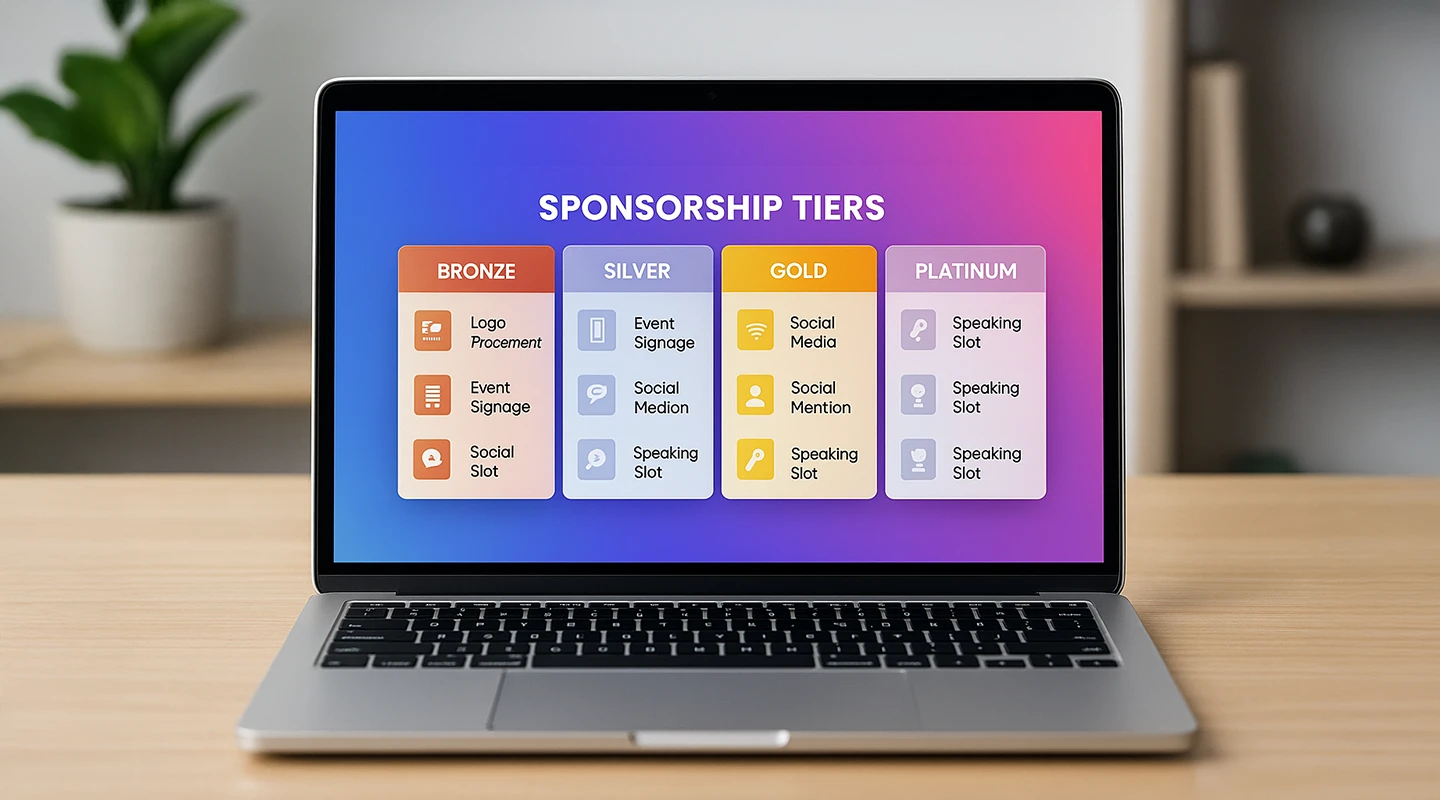
Define clear tiers (e.g., Platinum, Gold, Silver) with distinct benefits at each level. Higher tiers get premium placement, more tickets, speaking opportunities, and exclusive perks. Make it easy for sponsors to compare options and choose the tier that fits their goals. Event websites and event apps can showcase sponsor logos and benefits—Fliplet helps you build both.
Leveraging Technology for Sponsor Engagement
Use event technology to deliver on sponsor promises and prove value. Event apps can feature sponsor profiles, push notifications, and lead capture. Post-event, use surveys and feedback to measure satisfaction and gather data to share with sponsors. Fliplet's no-code platform lets you create branded event apps that keep sponsors visible and attendees engaged. Book a demo to see how.
Common Mistakes to Avoid
- Avoid sending the same generic proposal to everyone
- Don't bury the ask—make the investment and benefits clear early
- Skip vague language ("great visibility"); be specific
- Follow up: many sponsors need a nudge
- Deliver on what you promised and report back after the event so they see the ROI
Measuring Sponsorship Success and Post-Event Reports
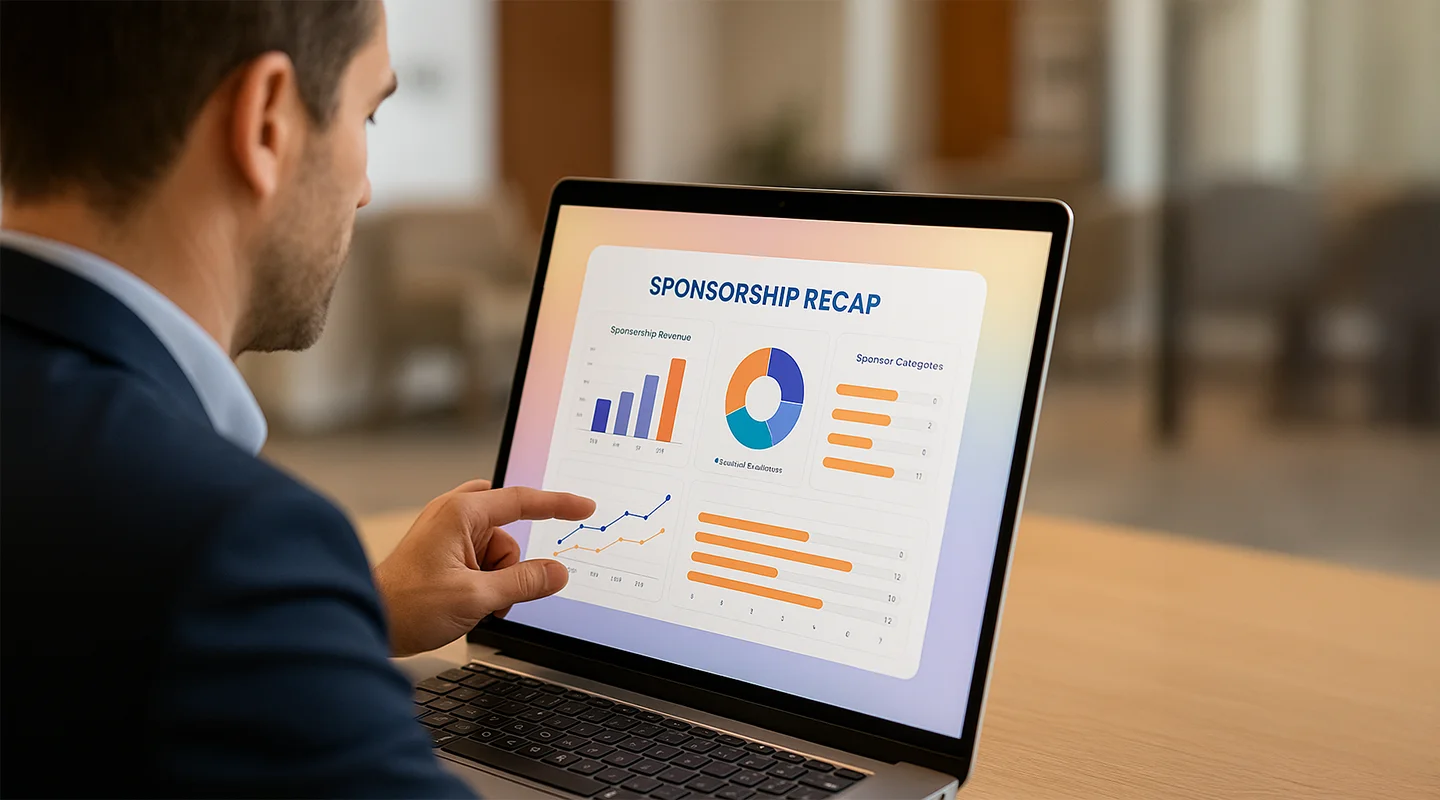
After the event, send sponsors a report that includes:
- Attendance and engagement metrics
- Logo impressions or mentions
- Lead counts (if applicable)
- Photos or highlights
- Attendee feedback
This demonstrates accountability and builds trust for future partnerships. Include analytics from your event app or registration platform to back up the numbers.
Summary
An event sponsorship proposal is your key to securing financial and in-kind support. Include clear goals, audience data, sponsor benefits, and tiers; customize each proposal and use visuals and data to make it compelling. Follow up consistently and deliver a post-event report with analytics and feedback to strengthen relationships for future deals. Fliplet can help you build event websites and apps that showcase sponsors and engage attendees. Book a demo to see how.
Lisa Broom is the Content Writer and Head of Marketing at Fliplet - an app building platform that enables anyone to easily create engaging and interactive mobile and web apps.
Frequently Asked Questions
What is the purpose of a sponsorship proposal?
It helps secure support by outlining mutual value for your event and the sponsor.
What are the different types of sponsors?
Financial sponsors offer funding, while in-kind sponsors contribute services like catering or signage.
How can I make my proposal more appealing?
Customize it, show data-driven results, highlight past wins, and use visuals.
Why is follow-up important?
It builds relationships and shows commitment, increasing the chance of a deal.
What should be in a post-event report?
Include analytics, feedback, and a recap to show the sponsor's return on investment.
![How to Create a Successful Event Strategy [Guide 2026] blog thumbnail](/images/blogs/event-strategy-guide/how_to_create_a_sucessful_event_strategy_featured_image.avif)