Top Strategies for Effective Event Project Management

Event project management is crucial for turning ideas into successful events. Whether you're planning a corporate conference or a community festival, knowing how to manage every detail can make or break your event. This article outlines core strategies, key roles, and useful tools to help you create a well-organized event that leaves a lasting impression.
Key Takeaways
- Effective event project management minimizes risks, ensures quality, and keeps costs within budget while aligning event efforts with broader business goals.
- Setting clear SMART goals and creating a comprehensive event plan are foundational steps for successful event execution.
- Utilizing project management tools and centralized task management systems improves visibility, accountability, and stakeholder alignment.
- Post-event evaluation and reporting are essential for continuous improvement and future event success.
Understanding Event Project Management
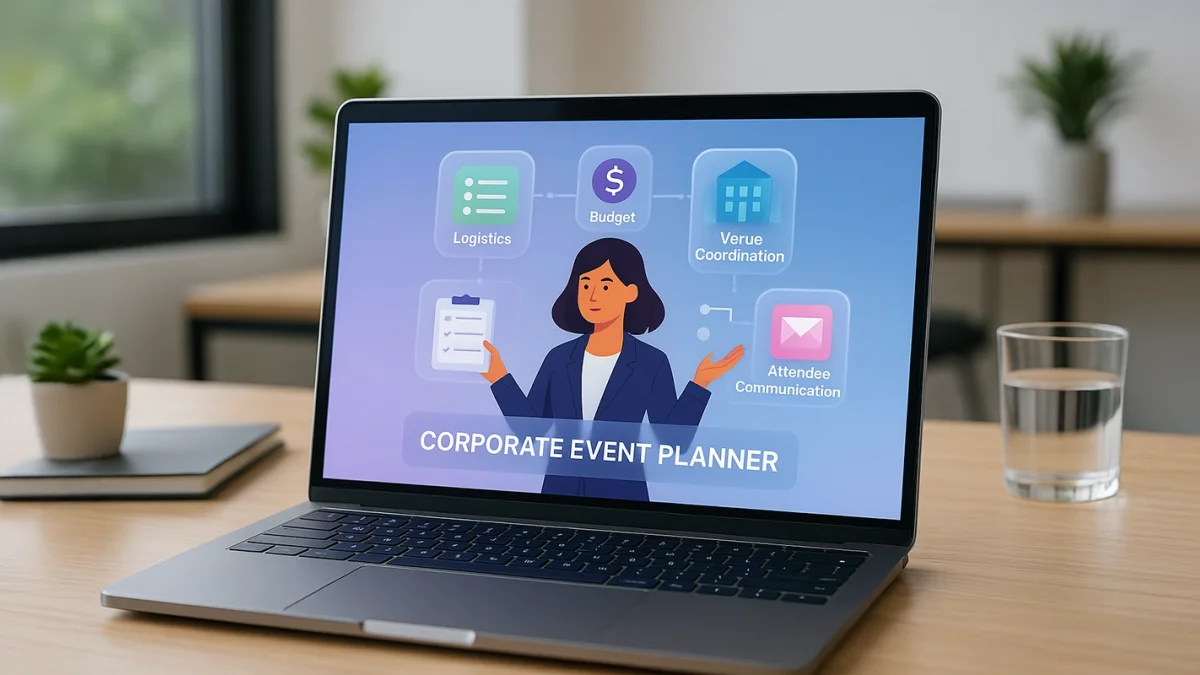
Effective event project management minimizes risks, ensures quality, and keeps costs within budget. It aligns event efforts with broader business goals, improving the overall experience and outcome.
Their involvement guarantees that every detail is aligned for a seamless event experience.
Key Roles in Event Project Management
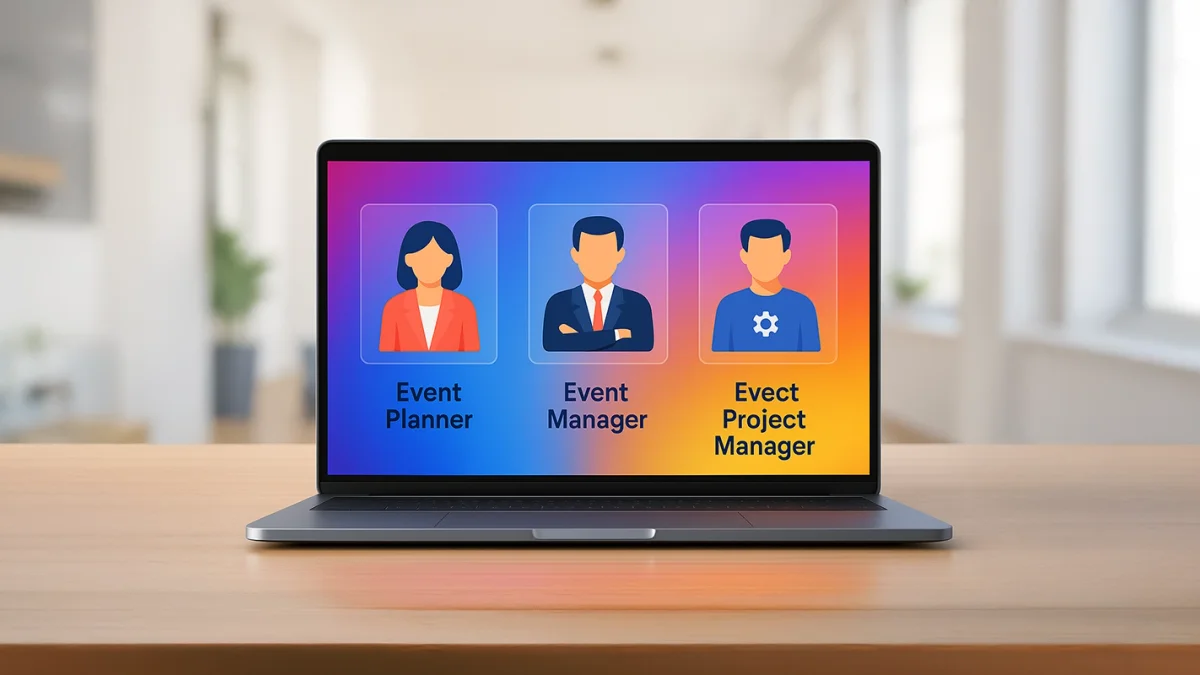
Successful events rely on a strong team. Key roles include:
- Event Project Manager: Coordinates teams and ensures effective communication throughout planning and execution phases.
- Marketing Coordinator: Handles promotion, branding, and attendee communication.
- Operations Manager: Manages logistics, venue coordination, and on-site execution.
- Budget Manager: Oversees financial planning and cost control.
- Vendor Coordinator: Manages relationships with suppliers and service providers.
Assigning roles early promotes smooth execution and collaborative success.
Defining Clear Event Goals
Setting goals aligns your event with organizational strategy. Use the SMART framework:
- Specific: Clearly defined objectives
- Measurable: Quantifiable outcomes
- Achievable: Realistic given resources
- Relevant: Aligned with business goals
- Timely: Bound by clear deadlines
This ensures progress tracking and strategic adjustments.
Creating a Comprehensive Event Plan
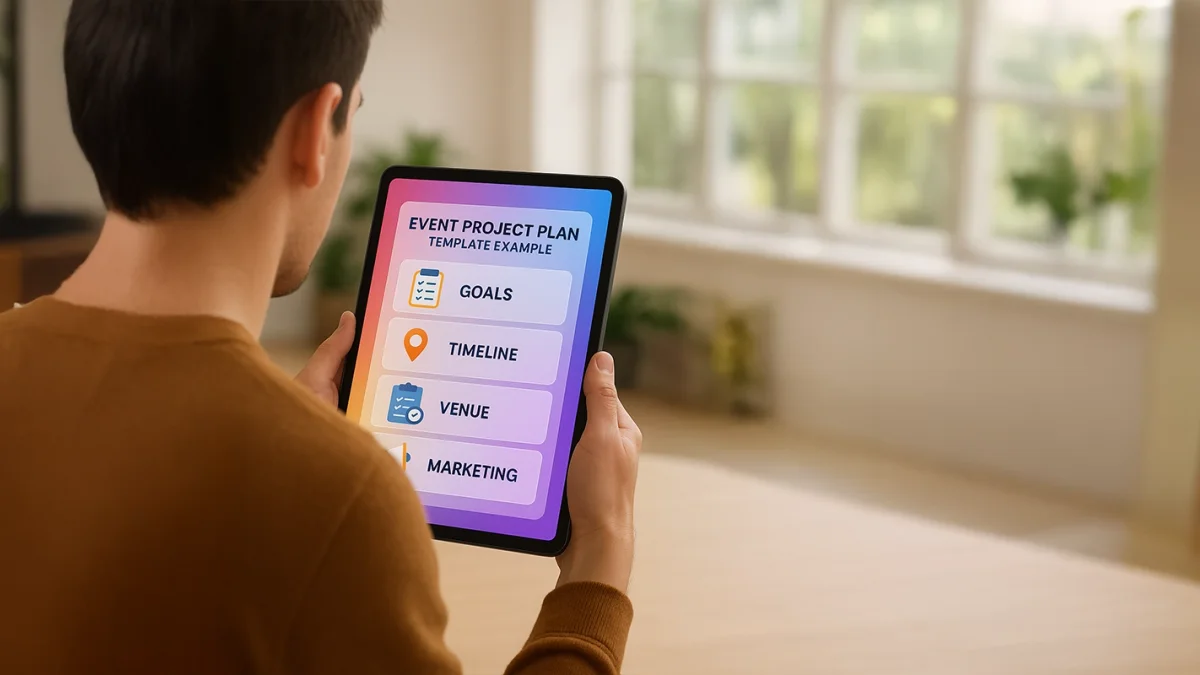
An event plan acts as a blueprint. It should include:
- Budget allocation and financial planning
- Detailed timeline with milestones
- Logistics and venue requirements
- Permits and legal considerations
- Marketing and promotion strategy
- Vendor and supplier coordination
- Risk management and contingency plans
Use event plan templates to assign responsibilities and visualize each phase.
Establishing a Realistic Event Budget
A well-planned budget is essential for event success. Consider all cost categories including venue, catering, technology, marketing, staffing, and contingency funds. Regularly track expenses against your budget to ensure you stay on target.
Selecting the Perfect Event Venue
Choose a venue that aligns with your event goals, accommodates your expected attendance, and fits within your budget. Consider location accessibility, parking, technology infrastructure, and catering options.
Layout and flow matter—plan for registration, breakout areas, and transitions.
Utilizing Project Management Tools
Digital tools streamline planning and communication. Modern project management solutions help event teams coordinate tasks, track progress, and maintain clear communication channels.
These tools improve visibility and stakeholder alignment, making it easier to manage complex event projects with multiple moving parts.
Centralized Task Management Systems
A centralized task management system allows all team members to see what needs to be done, who's responsible, and when deadlines are due. This enhances transparency, accountability, and deadline compliance.
Tools like Fliplet offer comprehensive event management solutions that integrate task management with attendee engagement, making it easier to coordinate all aspects of your event.
Developing an Effective Marketing Strategy
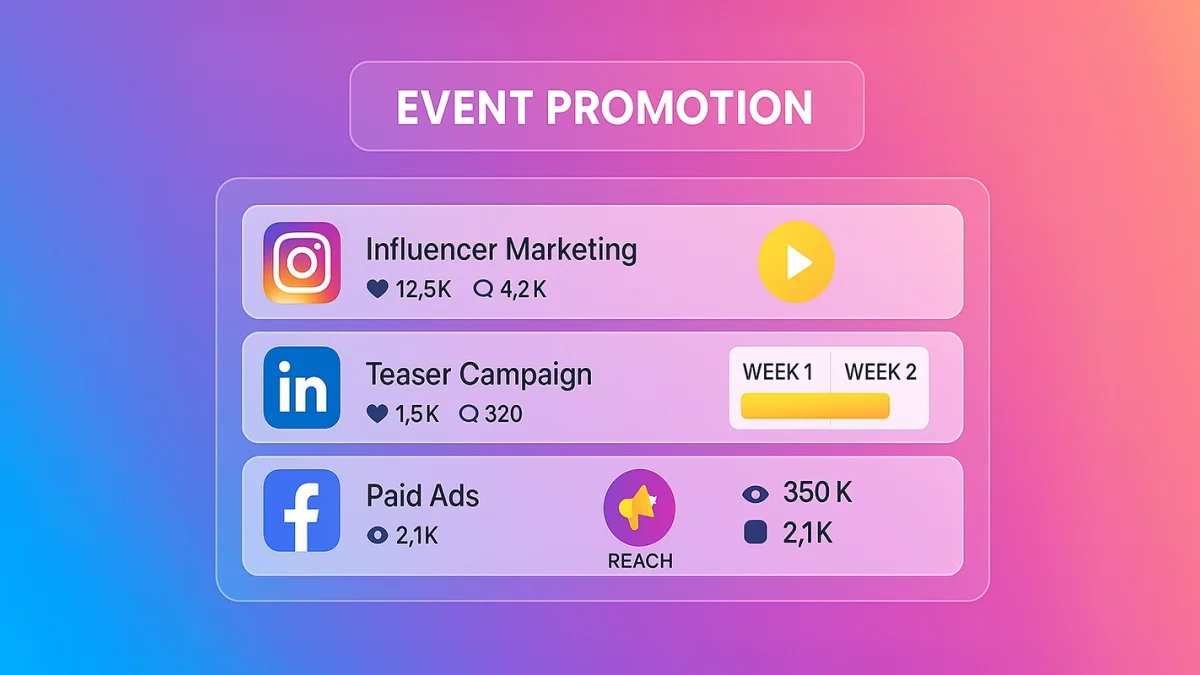
Your marketing strategy should align with your event goals and target audience. Use a mix of channels including social media, email campaigns, content marketing, and partnerships to reach your audience effectively.
80% of companies say events are critical to their success (Bizzabo). A well-executed marketing strategy ensures your event reaches the right people and generates the desired outcomes.
Managing Vendor and Supplier Relationships
Strong vendor relationships are crucial for event success. Establish clear communication channels, set expectations early, and maintain regular check-ins throughout the planning process.
Long-term partnerships can bring better pricing and reliability. Build relationships with vendors who understand your event needs and can deliver consistently.
Engaging Your Target Audience
Understanding your audience is key to creating an engaging event experience. Use data and feedback to tailor your event content, format, and activities to match attendee preferences.
Tools like Fliplet empower event teams to build mobile event apps without coding, enhancing attendee experience with schedules, push notifications, and interactive features.
Executing the Event Day Plan
On event day, having a detailed execution plan is critical. Ensure all team members know their roles, have access to necessary resources, and can communicate effectively. Use checklists and run sheets to keep everything on track.
Have a command center or central communication hub where key decisions can be made quickly. Be prepared to adapt as needed while maintaining focus on your event goals.
Post-Event Evaluation and Reporting
After your event, conduct a thorough evaluation to assess what worked well and what could be improved. Gather feedback from attendees, team members, and stakeholders. Analyze key metrics such as attendance, engagement, and ROI.
Create a comprehensive post-event report that documents successes, challenges, and recommendations for future events. This information is invaluable for continuous improvement.
Best Practices for Future Events
Apply lessons learned from each event to improve future planning. Maintain documentation, build on successful strategies, and continuously refine your processes.
77% of B2B marketers use experiential marketing as a vital part of their strategy (Statista). By following best practices and leveraging the right tools, you can create events that deliver exceptional value and results.
Summary
Event project management is the backbone of successful event execution. From setting SMART goals to leveraging modern planning tools and platforms like Fliplet, the strategies covered here help ensure your event runs efficiently and leaves a lasting impact.
Focus on team coordination, strategic budgeting, and post-event analysis to elevate your future event planning initiatives. Ready to streamline your event project management? Explore Fliplet's event solutions to discover how our platform can help you manage every aspect of your events more effectively.
Lisa Broom is the Content Writer and Head of Marketing at Fliplet - an app building platform that enables anyone to easily create engaging and interactive mobile and web apps.
Frequently Asked Questions
What is the primary role of an event project manager?
The primary role of an event project manager is to coordinate teams and ensure effective communication throughout planning and execution phases. They oversee the entire event lifecycle, from initial planning to post-event evaluation.
How can I ensure my event goals are clear and achievable?
Use the SMART framework (Specific, Measurable, Achievable, Relevant, Timely) and set measurable KPIs aligned with organizational goals. This ensures your goals are well-defined and trackable.
What are the key components of a comprehensive event plan?
Key components include budget, timeline, logistics, permits, marketing, venue selection, vendor coordination, and scheduling. A comprehensive plan should also include risk management and contingency planning.
What tools can help with event project management?
Digital project management tools, centralized task management systems, and comprehensive event platforms like <a href="/mobile-event-app/">Fliplet</a> can significantly streamline event planning and execution by improving visibility, accountability, and stakeholder alignment.
Why is post-event evaluation important?
Post-event evaluation helps identify what worked well and what could be improved. It provides valuable insights for future events and ensures continuous improvement in your event planning processes.